
Discover the journey of chocolate, coffee, and chai through taste, tradition, and living heritage in the heart of Zanzibar’s historic Stone Town.
Every journey begins with the land, the hands that work it, and the traditions passed through generations. At the Zanzibar Chocolate, Coffee & Chai Museum, visitors step inside a living story where cacao, coffee, and tea are not just products, but expressions of culture, history, and everyday island life.
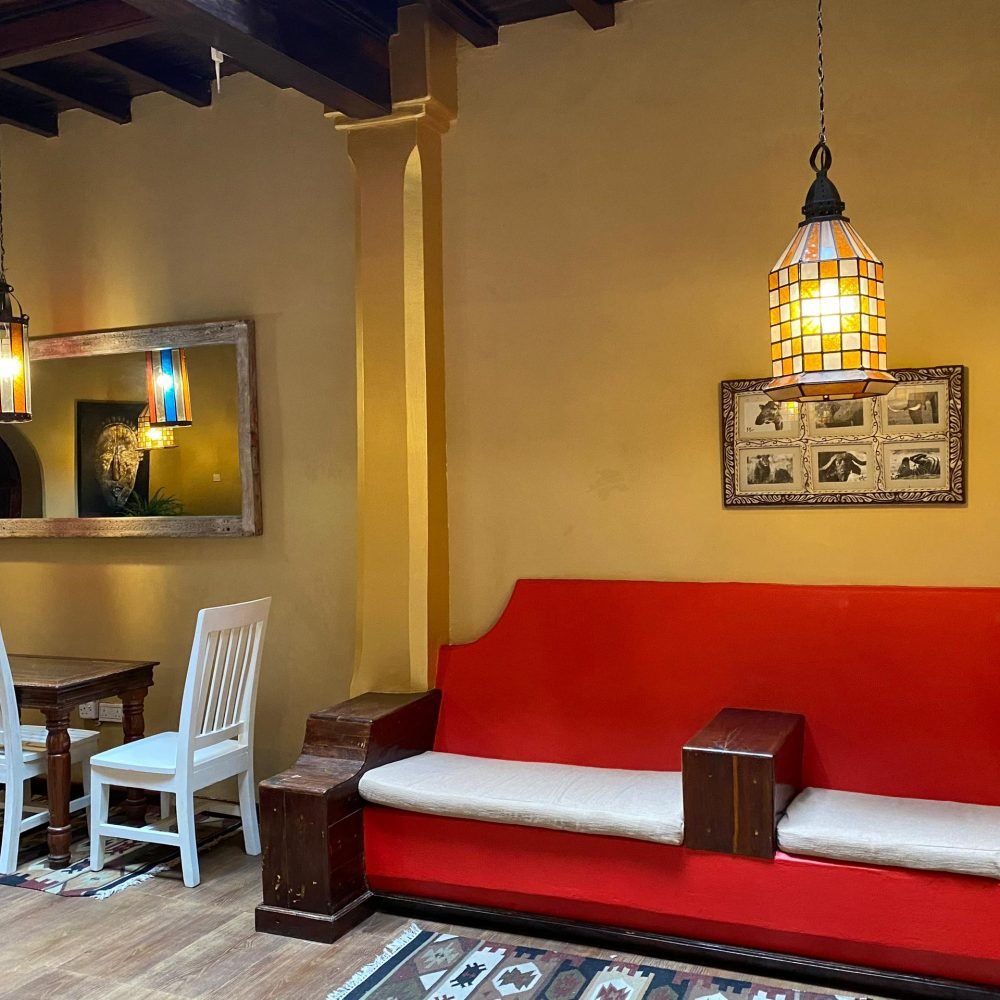
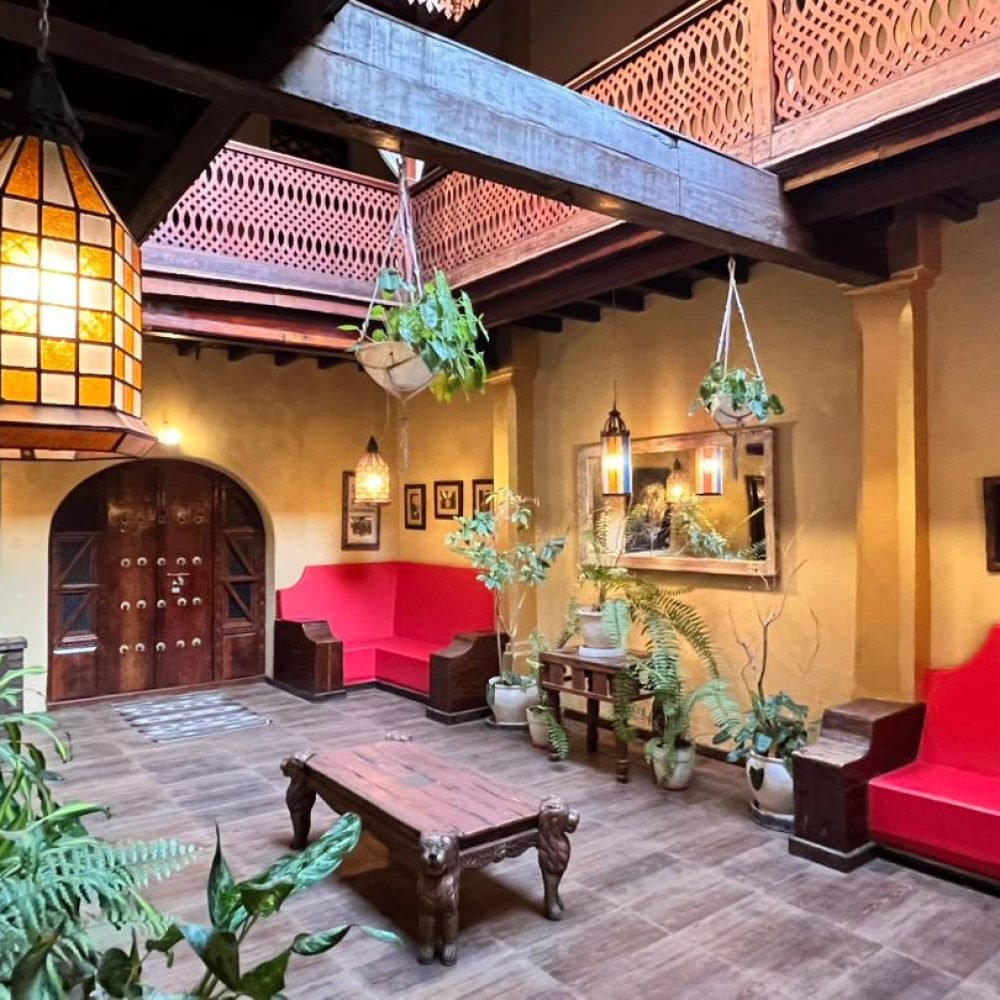
Housed within the historic Jafferji House, the museum brings together agriculture, craftsmanship, and flavour through guided tastings, demonstrations, and cultural storytelling.
Rooted in origin. Crafted with care. Wrapped in culture.
Zanzibar Craft Chocolates is a bean-to-bar social enterprise transforming fine-flavour cocoa from Kyela, southern Tanzania, into craft chocolate in Zanzibar. We support smallholder women farmers through fair pricing, sustainable practices, and meaningful local employment, while promoting largely organic, land-respecting cacao farming.
Our fully traceable supply chain ensures quality, transparency, and lasting impact at origin. Each bar is handcrafted in small batches—from careful roasting and grinding to precise tempering—capturing the flavours, people, and traditions behind fine Tanzanian chocolate.
Proudly made in Zanzibar with care and craftsmanship.
1. Harvest
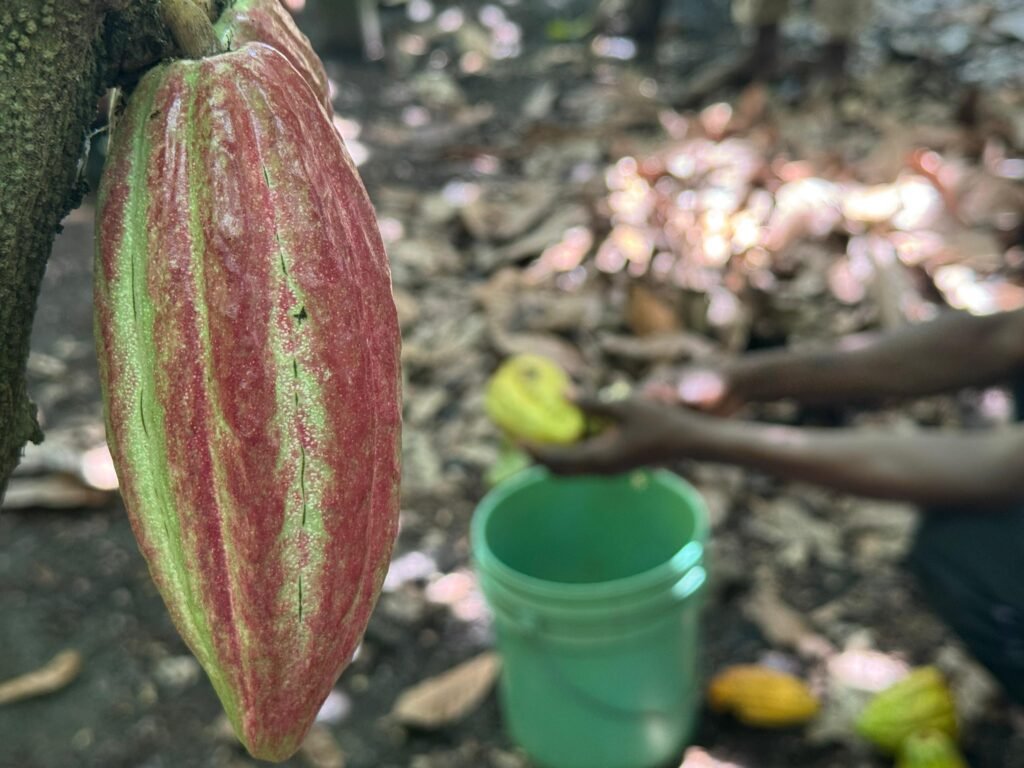
Farmers harvest fully ripened cacao pods at peak maturity, approximately 90 days aftaer flowering or pod setting. The beans are carefully removed from the pods and prepared for fermentation on the very same day to preserve their freshness and quality.
2. Fermentation
The fresh cacao beans, still enveloped in their natural pulp, are placed in covered wooden boxes or traditional local baskets to ferment. This essential process develops the chocolate’s foundational aromas and flavours. Fermentation typically takes about four days.
3. Drying
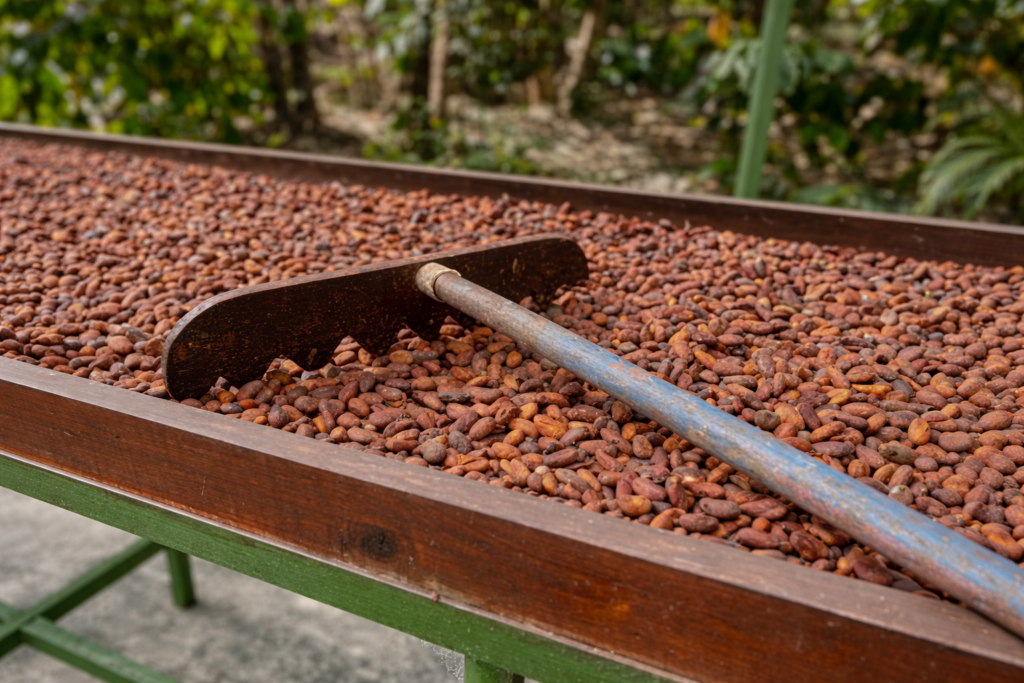
After fermentation, the beans are gently sun-dried to reduce their moisture content. Drying typically takes around four days, depending on weather conditions. Once fully dried, the beans are carefully hand-sorted, packed, and prepared for shipment to Zanzibar.
At Our Zanzibar Factory
4. Sorting & Grading
On arrival, beans are hand sorted and graded. Imperfect beans are returned to farms for use as natural fertiliser.
5. Roasting
Beans are slowly roasted to refine flavour, ensure purity, and highlight the unique character of their origin.
6. Cracking
Roasted beans are cracked to loosen the shells and release the cacao nibs.
7. Winnowing
The shells are separated from the nibs using a combination of traditional techniques and mechanical methods.
8. Grinding
Cacao nibs are stone-ground over several days into a smooth, rich cacao liquor.
9. Refining & Conching
The chocolate is refined for silkiness, then conched to deepen aroma, balance acidity, and round the flavour.
10. Tempering
The chocolate is carefully tempered to achieve a glossy finish, clean snap, and smooth texture.
11. Moulding
Finished chocolate is poured into moulds and gently cooled to set.
12 .Packaging
Each chocolate bar is carefully hand-packed in Zanzibar, ensuring quality, freshness, and attention to detail. Our packaging reflects the artisanal nature of our products and preserves the integrity of the chocolate from our factory to your hands. Every bar is thoughtfully wrapped to highlight the craftsmanship, provenance, and exceptional quality of Zanzibar Craft Chocolate.
Nothing makes us prouder than seeing our creations loved and cherished. Here’s what our happy buyers are saying.
Tanzanian fine-flavour cacao forms the foundation of Zanzibar’s bean-to-bar chocolate story. Grown in fertile regions such as the Kilombero Valley, cacao thrives in rich alluvial soils within agroforestry systems that balance shade trees, food crops, and biodiversity. Smallholder farmers prioritise quality, sustainability, and careful post-harvest handling.
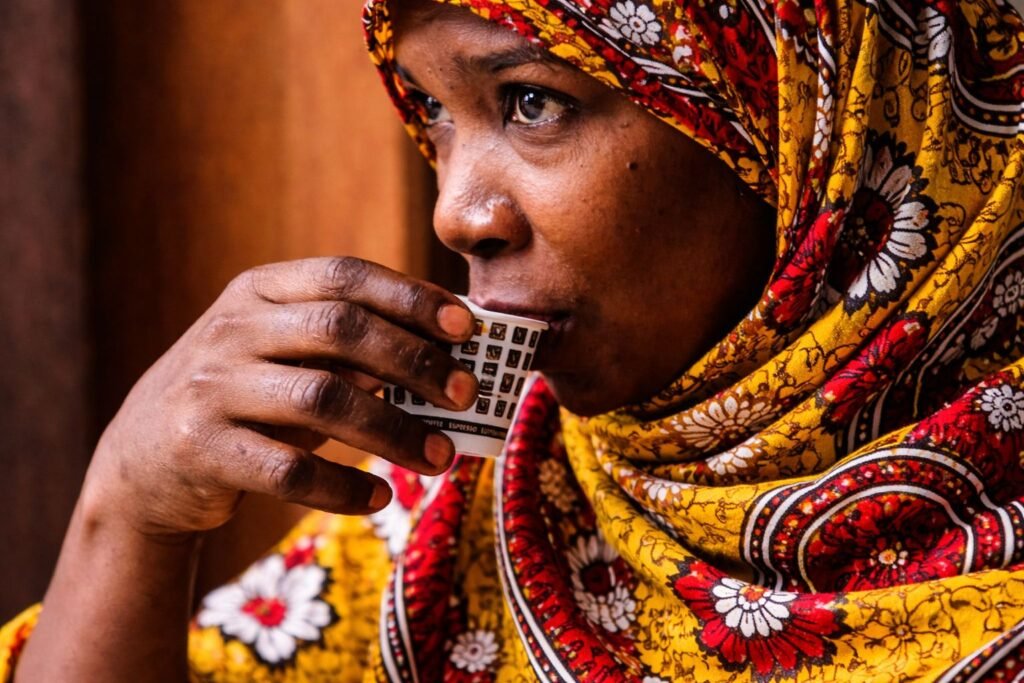
Coffee on the Swahili Coast is more than a drink. It is a social ritual shaped by centuries of cultural exchange across Africa, Arabia, India, and Persia. In Zanzibar, coffee culture reflects this layered history, where hospitality, conversation, and community are inseparable.
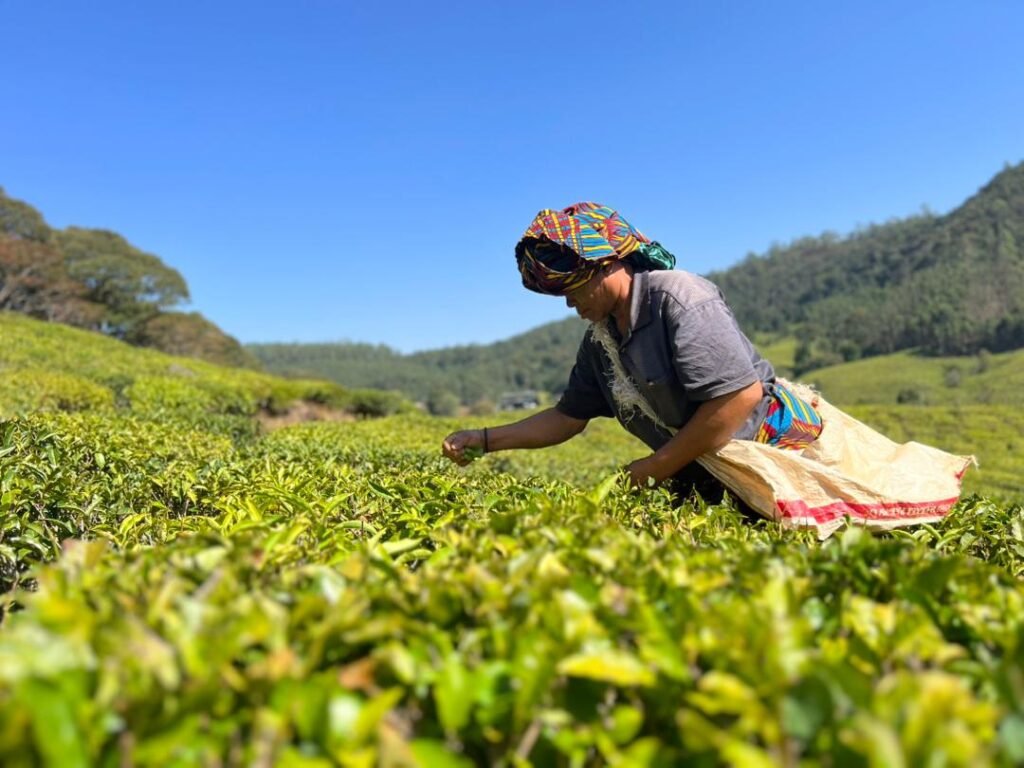
Tea, locally known as chai, is woven into the daily fabric of life in Zanzibar. Introduced through Indian Ocean trade rather than local cultivation, tea became central to hospitality, social interaction, and domestic routine across the islands. Its preparation reflects both global influences and distinctly coastal tastes.
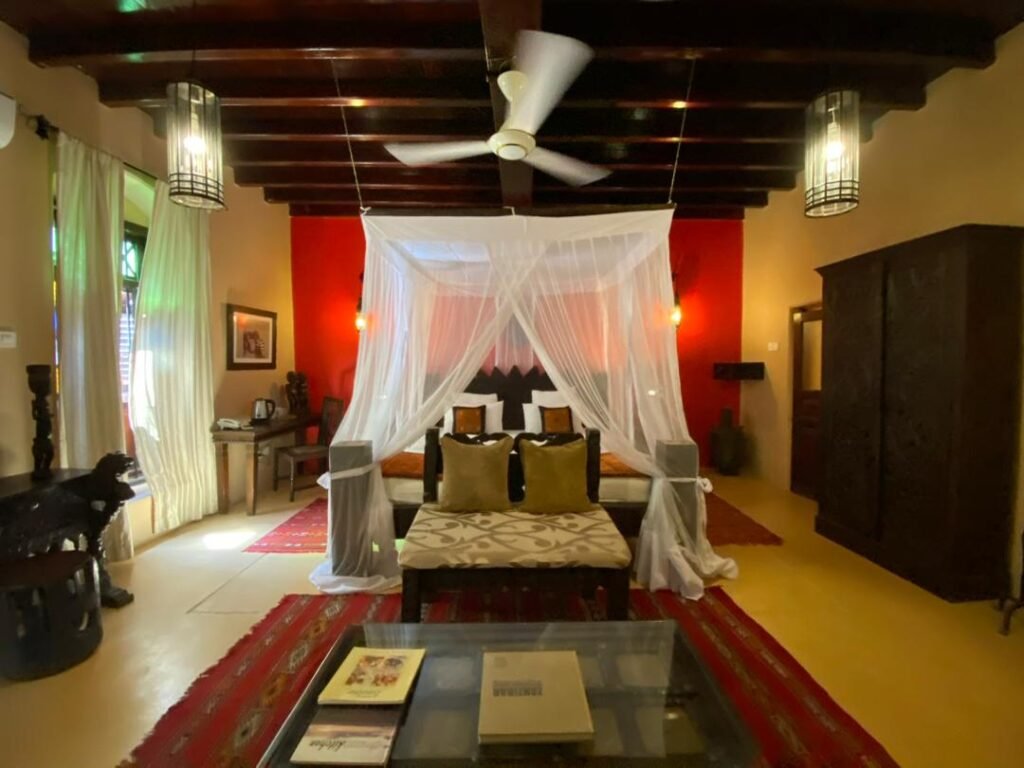
Jafferji House stands along Gizenga Street in the heart of Stone Town, a historic artery once known as Portuguese Street during the early colonial era. For centuries, this narrow, winding lane connected the harbour to markets, homes, and workshops, serving as one of the town’s busiest commercial routes. Merchants, porters, and travellers moved daily through this street, trading spices, ivory, textiles, ceramics, and handcrafted goods.
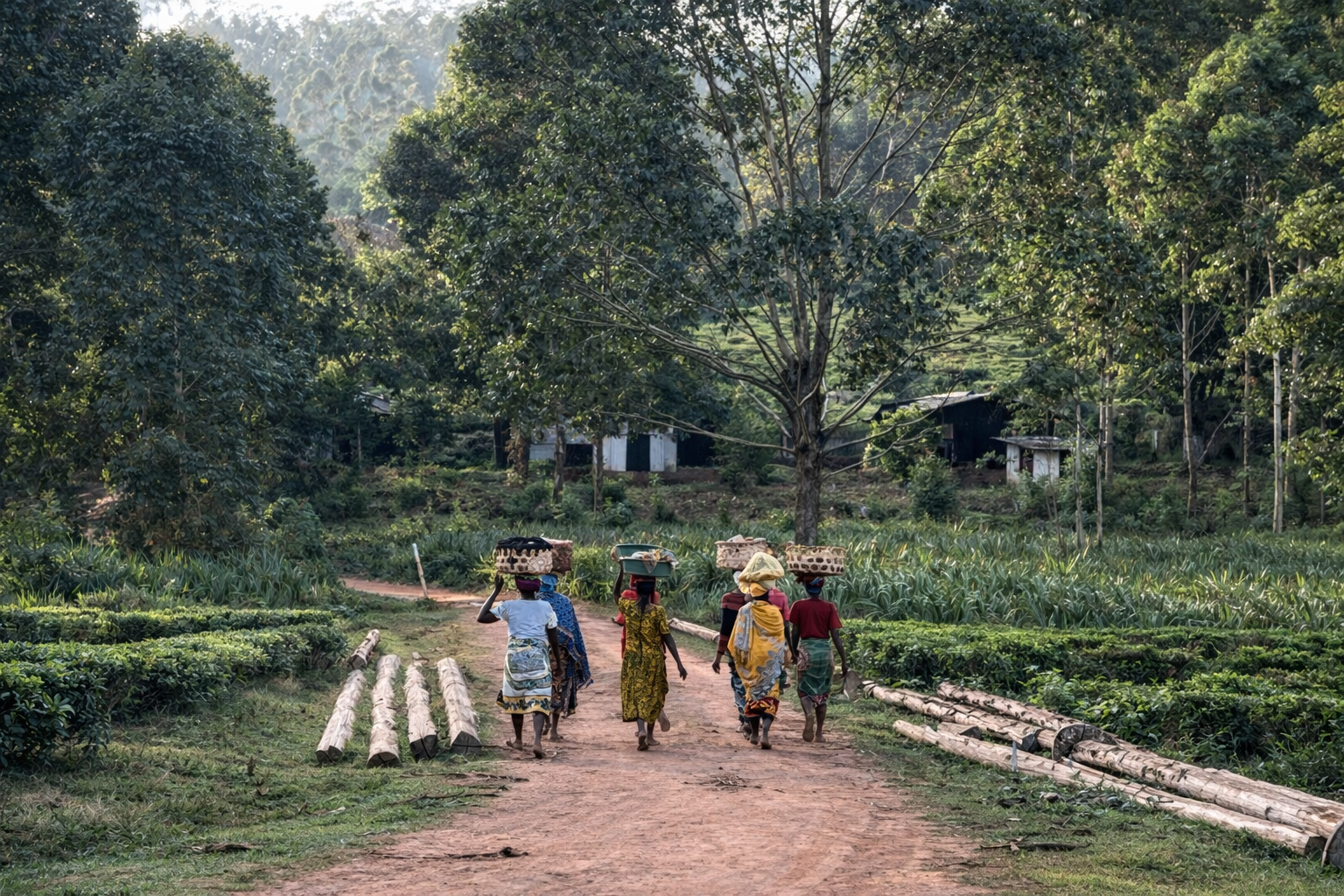
Visitors move through a thoughtfully curated flow, learning how raw ingredients become finished flavours. From cultivation and processing to tasting and tradition, each step reveals the connection between land, labour, and culture.
From farming communities on mainland Tanzania to artisans and roasters in Zanzibar, every flavour has a human story behind it. Through visuals, demonstrations, and guided explanations, visitors witness the care, patience, and knowledge involved in each step of the process.
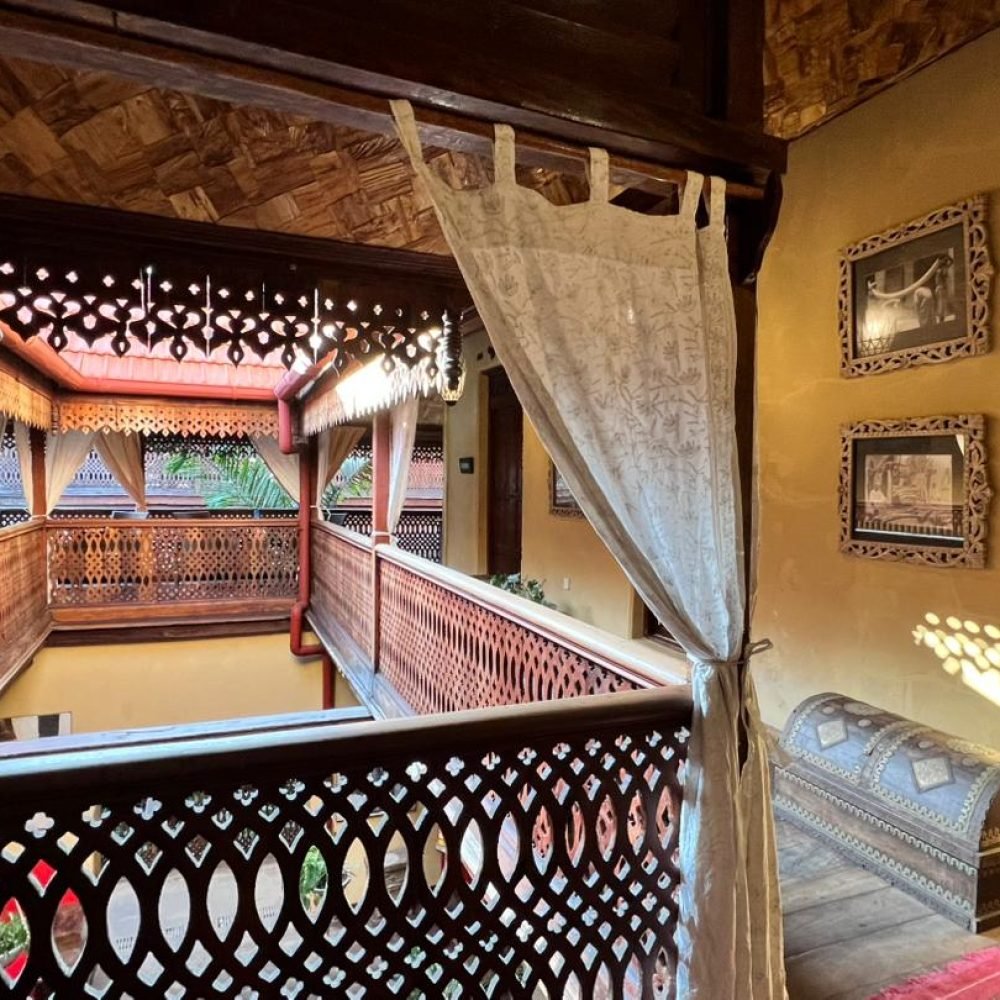
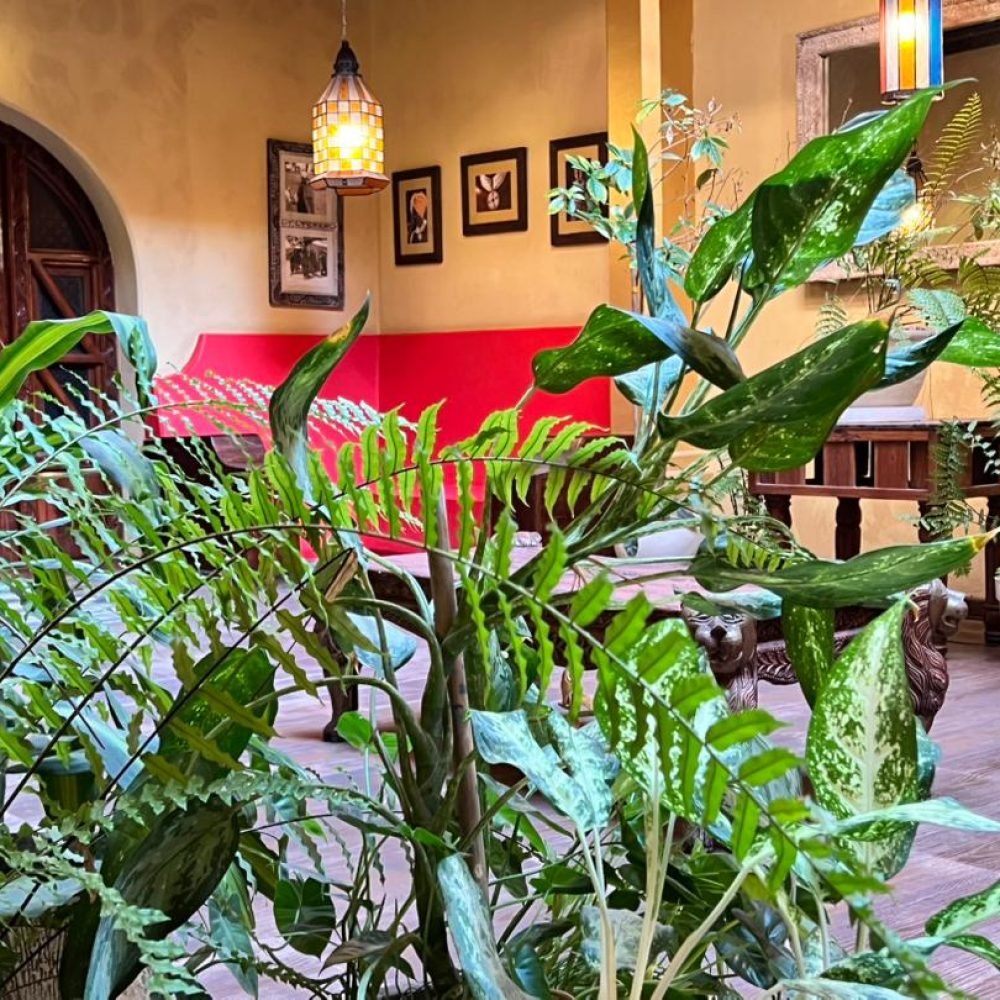
Within its carved wooden doors, shaded balconies, and intricate details, visitors experience more than history. They step into a space where architecture, flavour, and storytelling come together in one authentic setting in the heart of Stone Town.


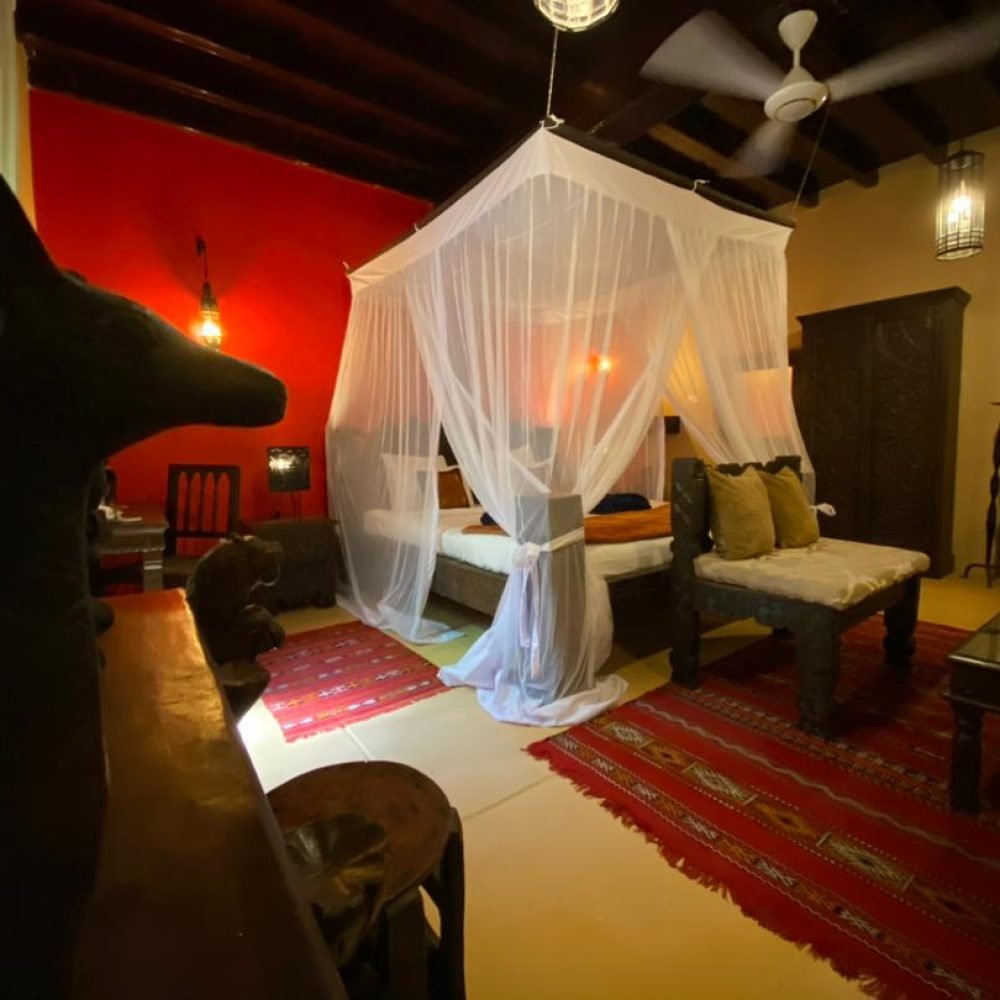
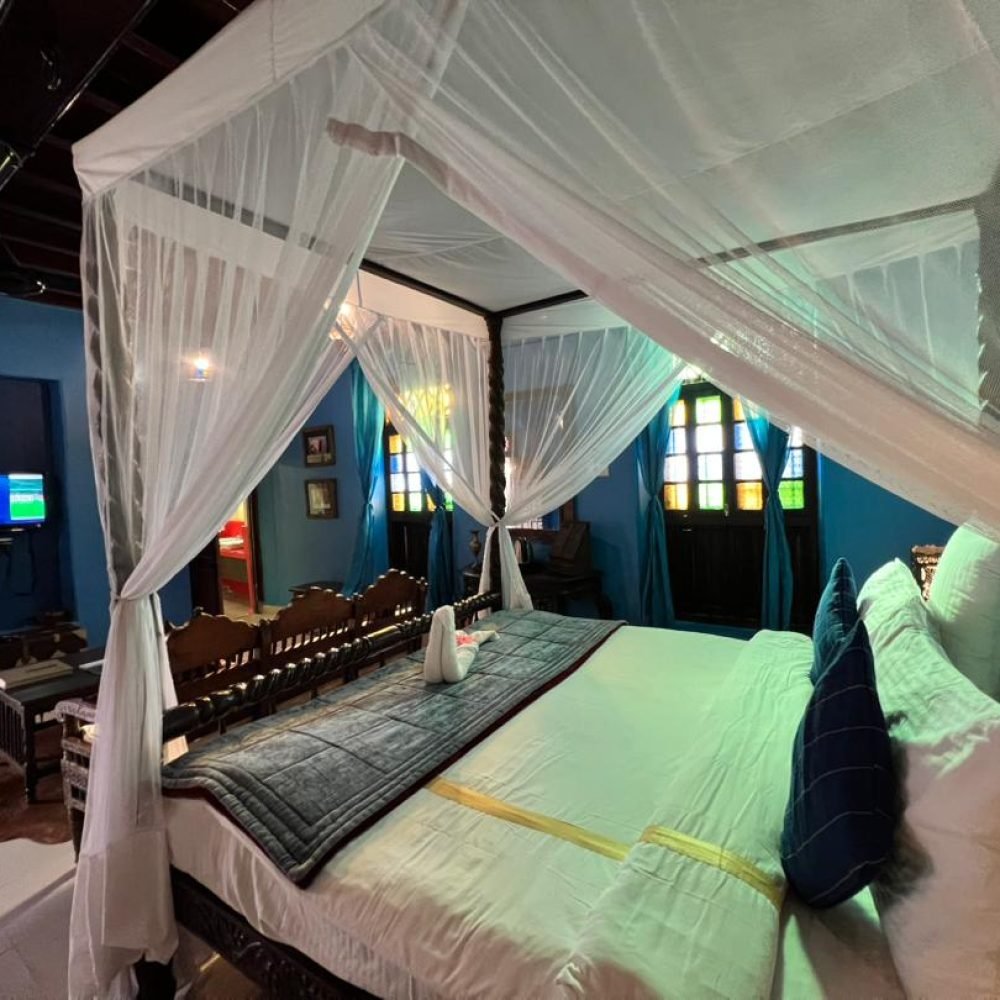
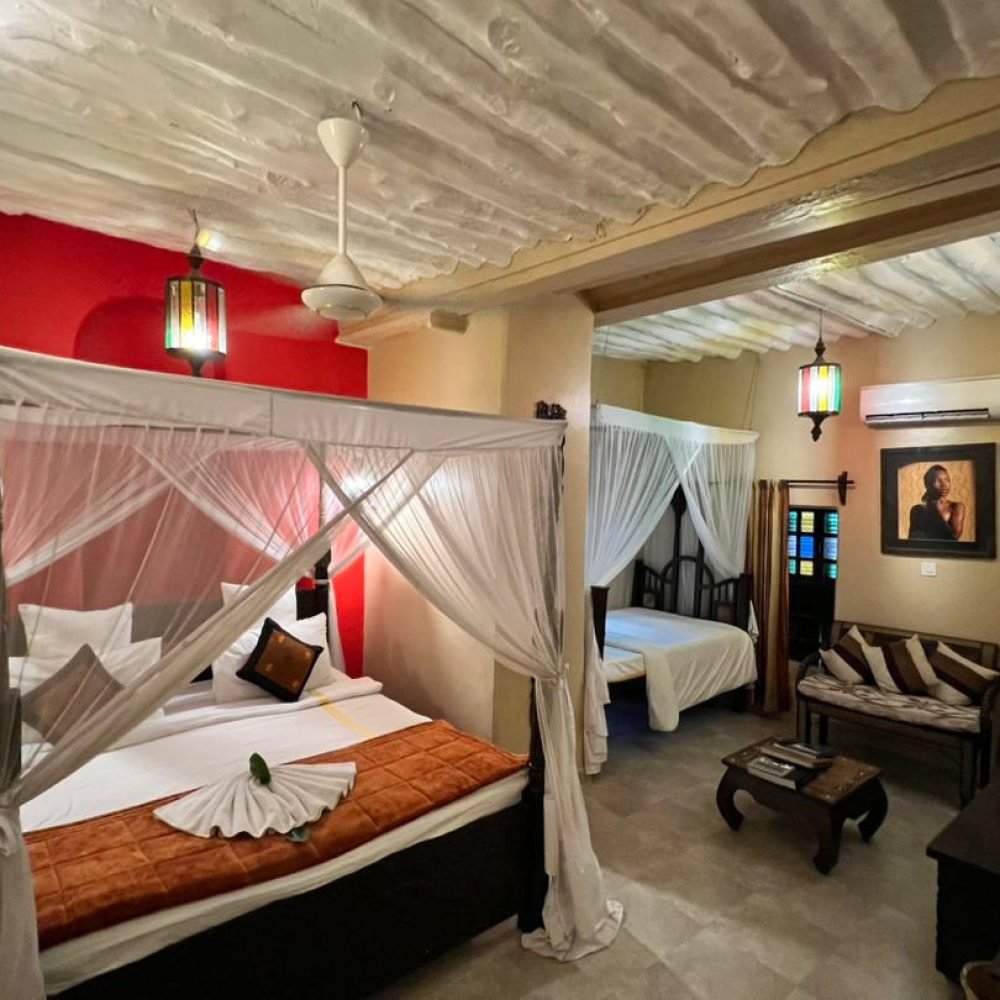
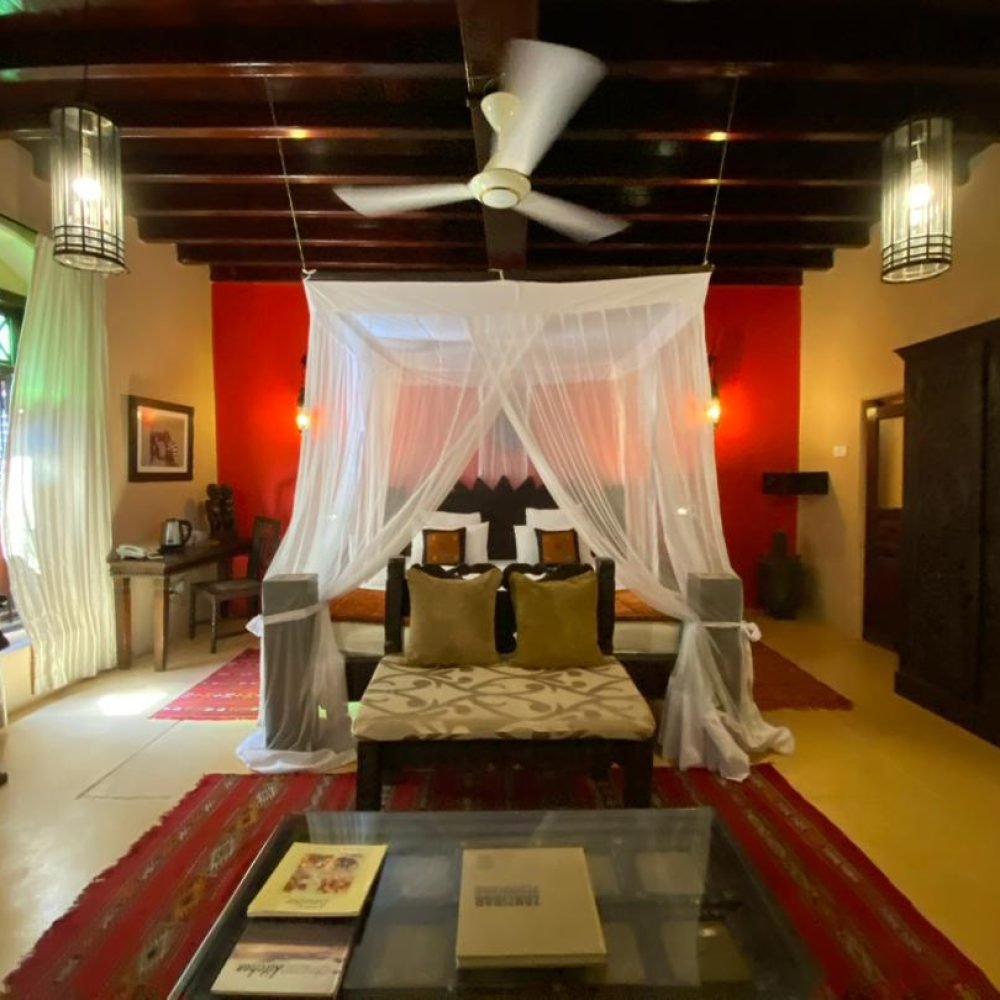
Housed within the historic boutique property Jafferji House, the Zanzibar Chocolate, Coffee & Chai Museum occupies a beautifully preserved Indian merchant home that reflects the island’s cosmopolitan past. Built in traditional Indo-Swahili architectural style, the house stands as a living reminder of Zanzibar’s role as a crossroads of cultures, trade, and craftsmanship along the Indian Ocean.
Within its carved wooden doors, shaded balconies, and intricate details, visitors experience more than history. They step into a space where architecture, flavour, and storytelling come together in one authentic setting in the heart of Stone Town.

Follow the journeys of cacao, coffee, and chai from Tanzania’s farms to Zanzibar’s historic trading port, revealing the people, landscapes, and traditions behind these iconic flavours.

Housed in the historic Jafferji House in Stone Town, the museum blends Indo-Swahili architecture, Indian Ocean trade history, and Zanzibar’s cosmopolitan past into a living cultural experience.

More than a museum, immerse your senses through guided tastings, storytelling, and locally crafted chocolate, coffee, and chai, all experienced where culture and flavour meet.
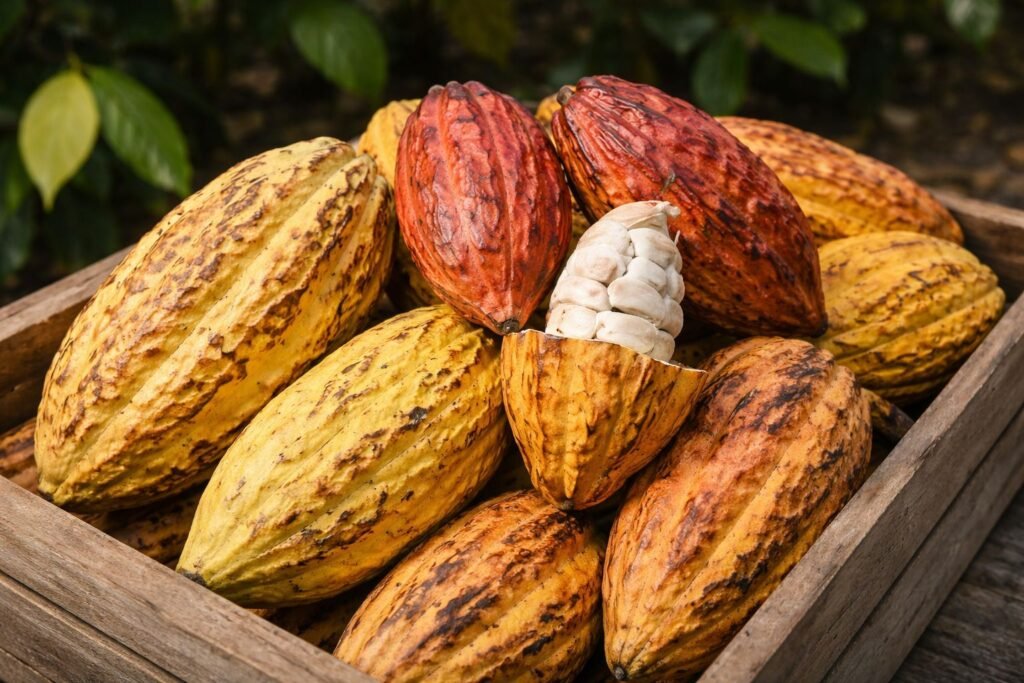
We are proud to be the first chocolate makers in Zanzibar to craft chocolate from…
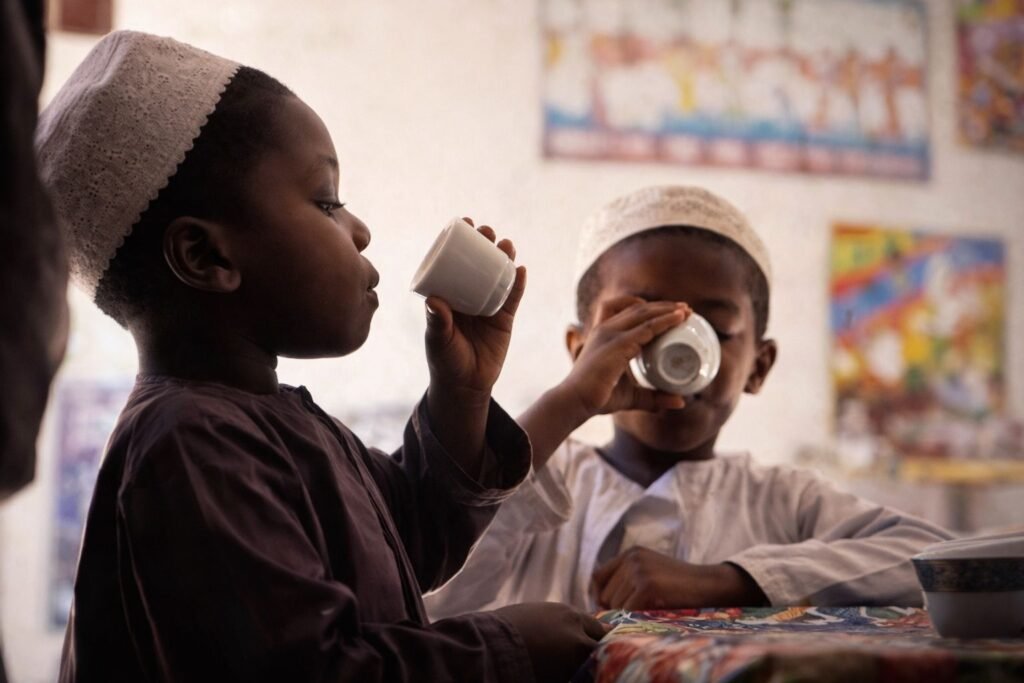
Conversation, Community, and the Ritual of the CupJaws Corner is one of Stone Town’s most…
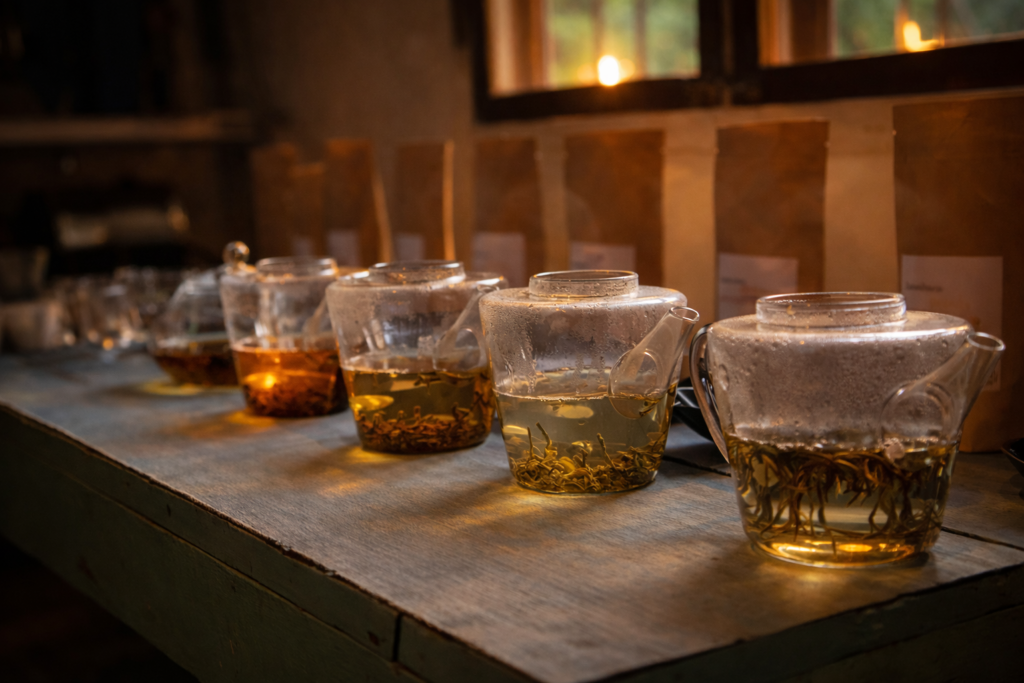
Highlands, Estates, and SmallholdersTanzania is one of Africa’s important tea-producing nations, with cultivation centred in…
Whether you are exploring Stone Town, travelling with a tour group, or seeking a deeper cultural experience, the Zanzibar Chocolate, Coffee & Chai Museum welcomes you.