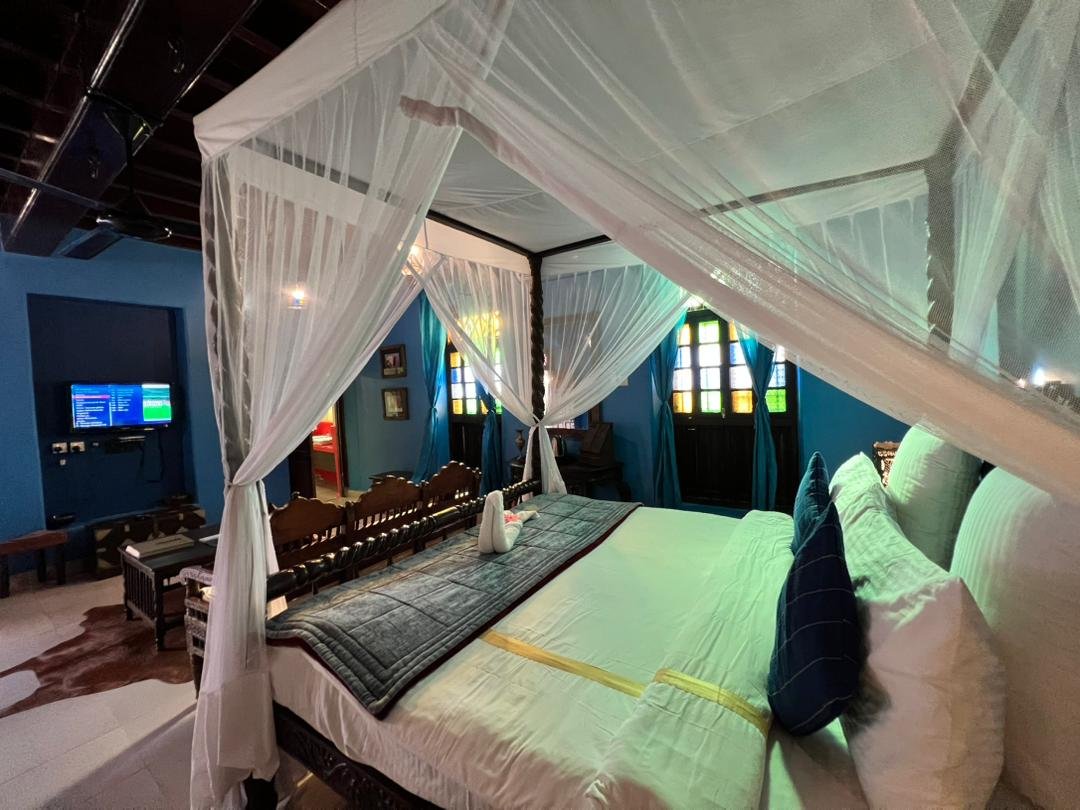
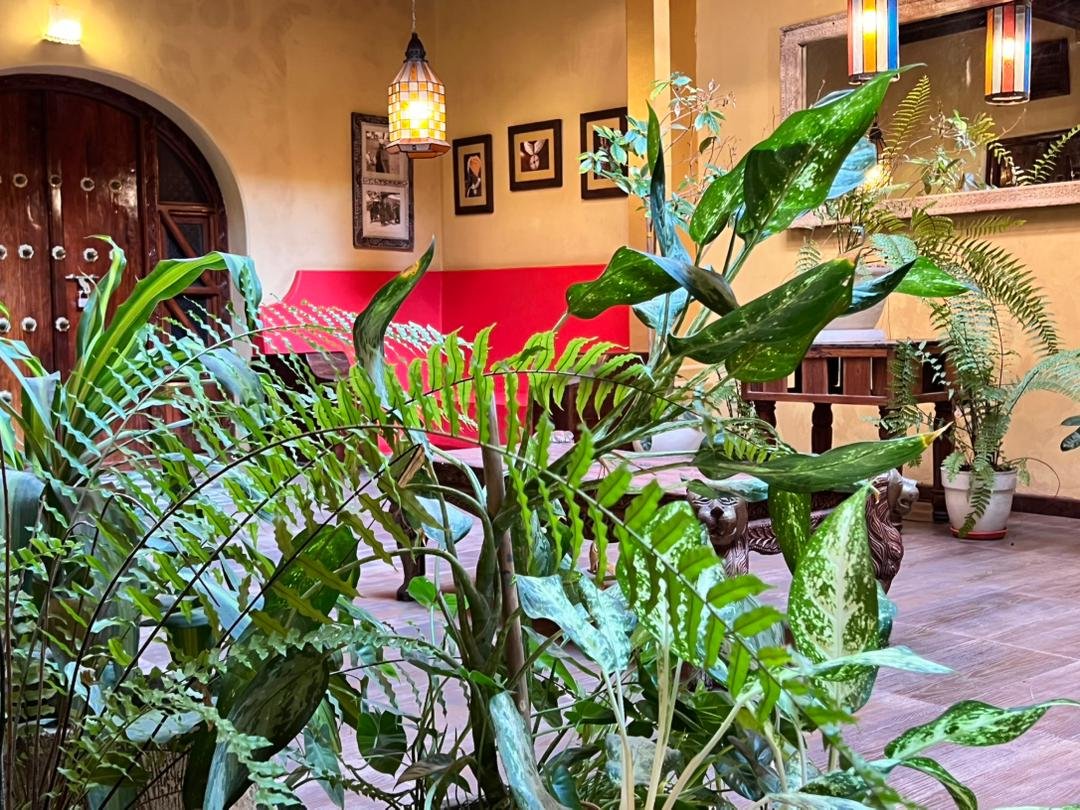
Jafferji House stands along Gizenga Street in the heart of Stone Town, a historic artery once known as Portuguese Street during the early colonial era. For centuries, this narrow, winding lane connected the harbour to markets, homes, and workshops, serving as one of the town’s busiest commercial routes.
Merchants, porters, and travellers moved daily through this street, trading spices, ivory, textiles, ceramics, and handcrafted goods. Today, Gizenga Street remains animated with galleries, boutiques, cafés, and cultural spaces that echo its long tradition of exchange.
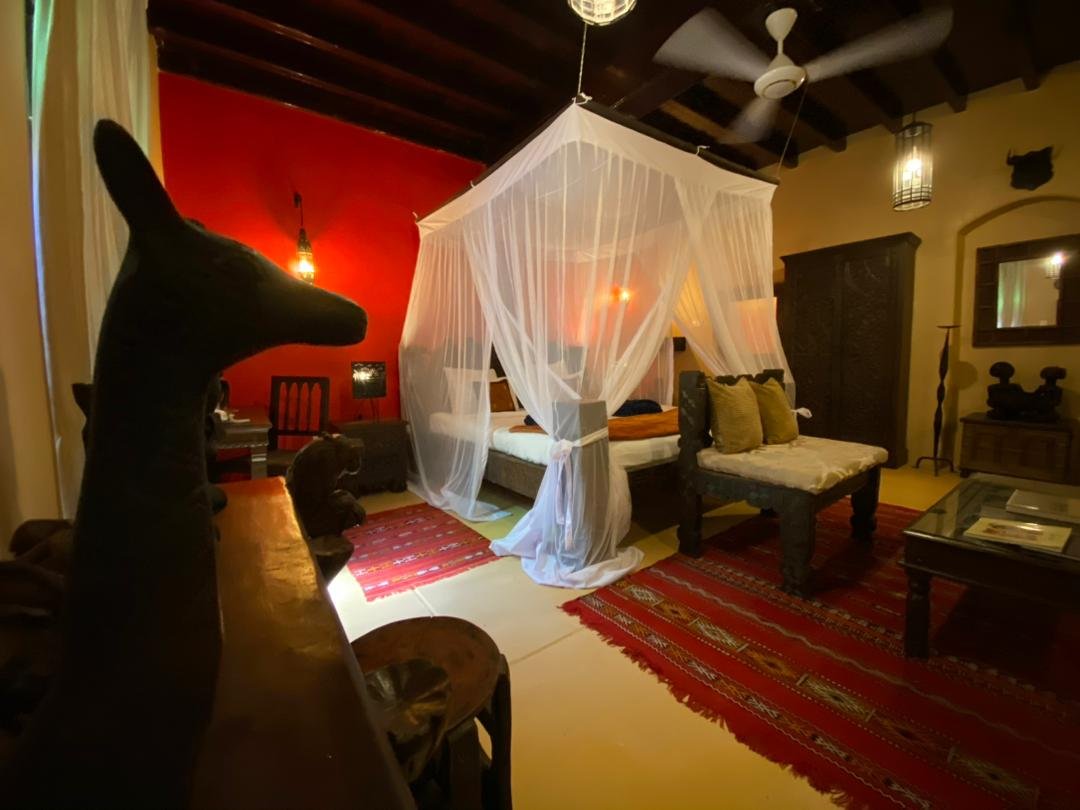
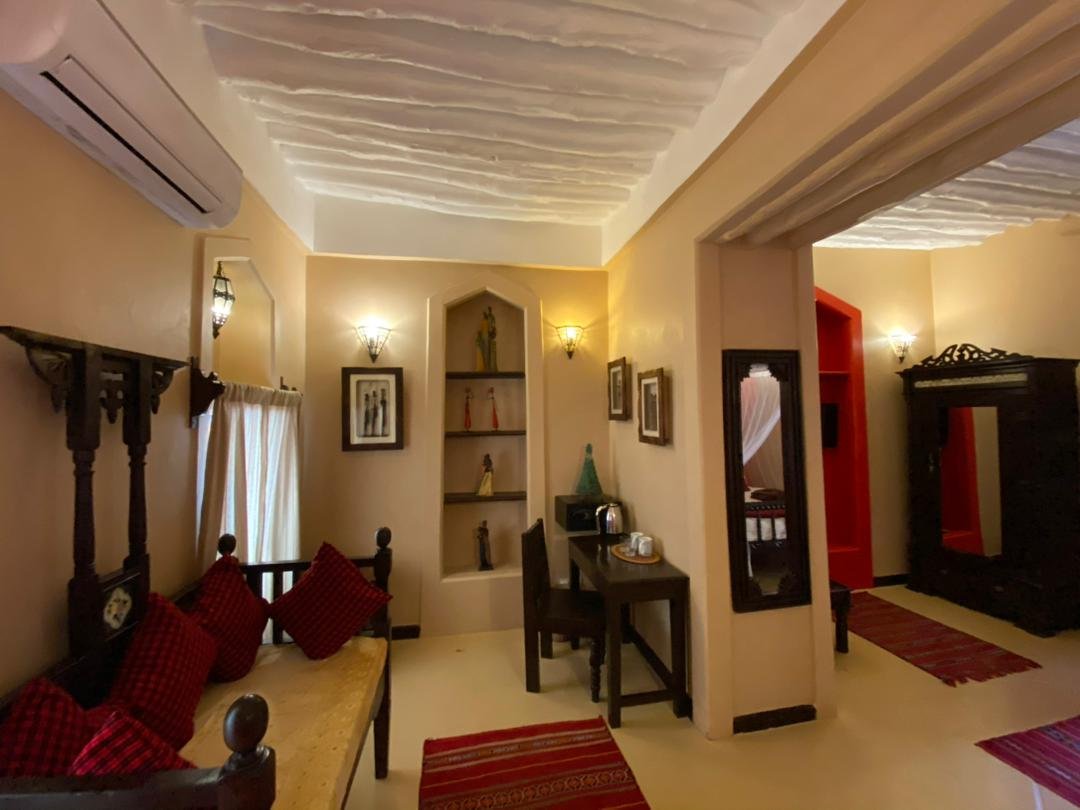
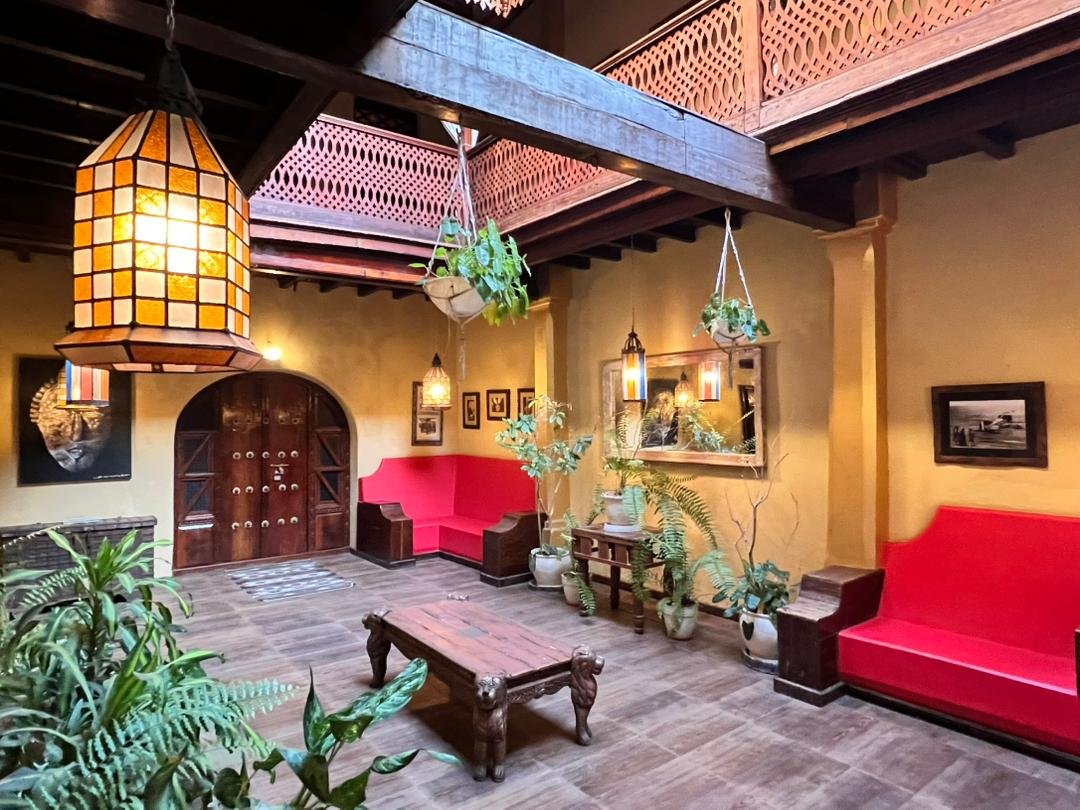
Built in the late nineteenth century as a merchant residence, Jafferji House embodies the layered architectural heritage of the Swahili Coast. Its coral-rag stone walls, carved teak doors, masharabiyya balconies, high ceilings, and internal courtyards reflect African, Arab, Indian, and Persian influences shaped by centuries of Indian Ocean trade.

Tea, locally known as chai, is woven into the daily fabric of life in Zanzibar. Introduced through Indian Ocean trade, tea became central to hospitality, social interaction, and domestic routine across the islands.
Zanzibari chai is typically brewed strong, using black tea boiled with water and sometimes milk, sweetened to preference. It's informal and inclusive—shared during morning meals, market breaks, and quiet moments after work or prayer.
What sets coastal chai apart is its use of spices. Cardamom, clove, cinnamon, ginger, and nutmeg are added directly to the pot, creating a fragrant brew rooted in Zanzibar's spice heritage.
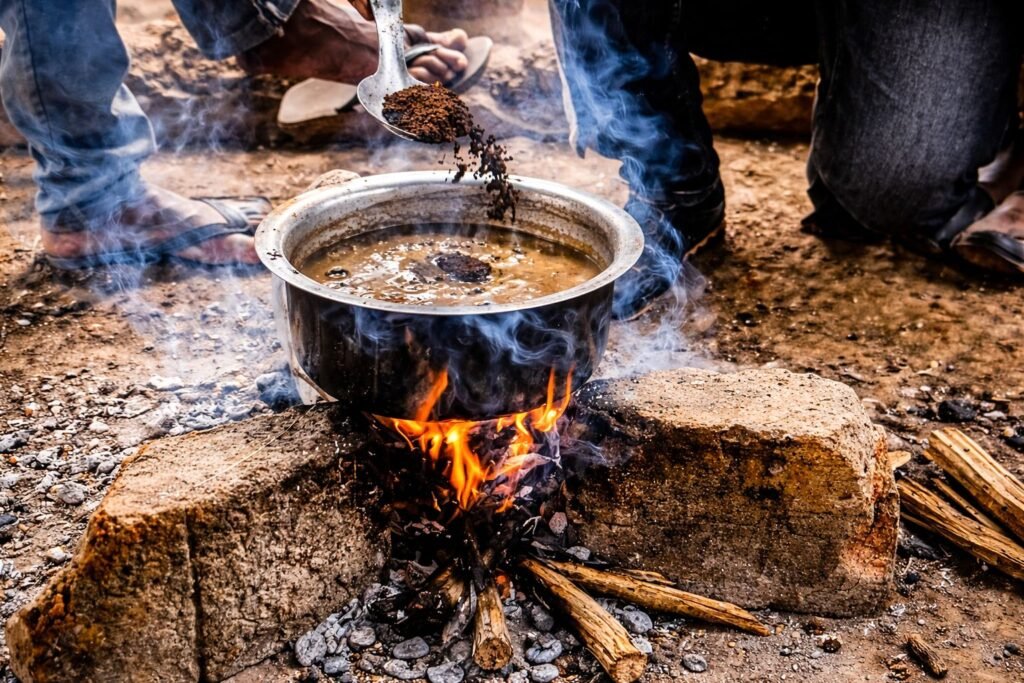
Traditional Swahili coffee, known as kahawa, is brewed from finely ground beans roasted dark and simmered slowly over charcoal. Kahawa tungu is strong and unsweetened, valued for its intensity and pure coffee character.
Intense
Pure
Infused with spices such as cardamom, clove, cinnamon, or ginger, kahawa ya pilipili echoes Zanzibar’s identity as a historic spice hub. Each cup tells the story of centuries of trade and cultural exchange.
Cardamom
Clove
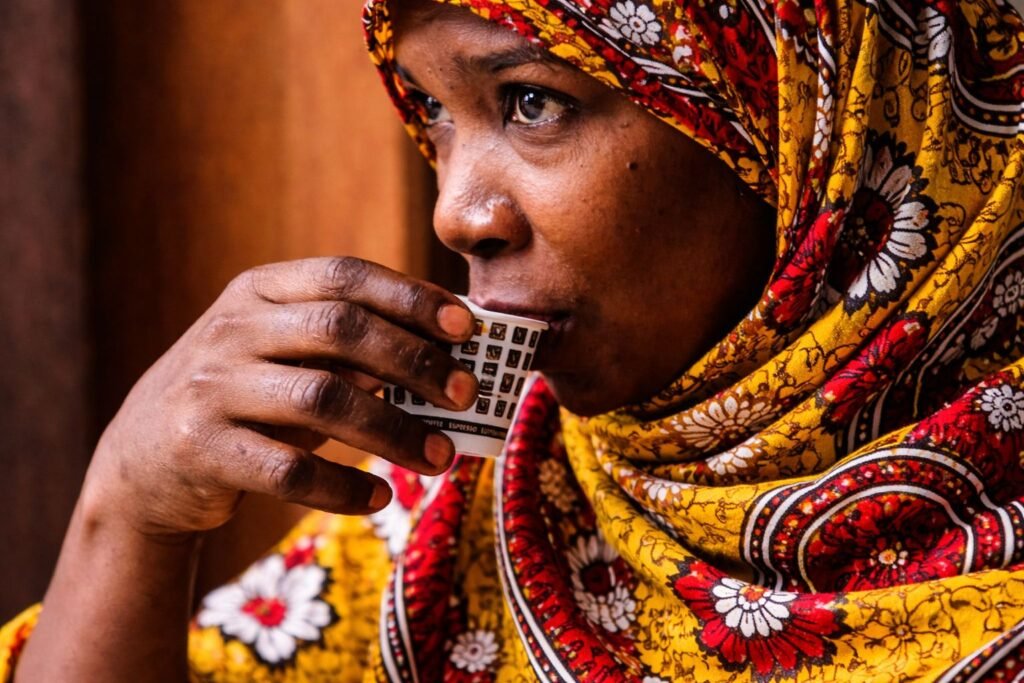
Coffee is served in small handleless cups called vikombe, shared during family visits, evening gatherings, and community events. A distinctive feature of Zanzibari coffee culture is the street kahawa stall, where vendors brew slowly over charcoal as conversations unfold. Despite changing tastes, kahawa remains a timeless expression of welcome, patience, and shared experience.